
Everything You Need to Know Before Taking the First Step Toward Canadian Homeownership
Introduction
Purchasing your first home is a significant milestone—one that represents both personal achievement and a new chapter in your life. Yet, for many Canadians, the journey from dreaming about homeownership to actually securing the keys can be overwhelming. Navigating the intricacies of real estate, understanding a wide array of Canadian mortgage options, and qualifying for your first home loan can seem daunting, especially if you’re new to the process or unfamiliar with the nuances of the Canadian mortgage market.
This comprehensive guide to “Mortgage 101” is designed to demystify the process, walking you through every phase—from qualifying for a mortgage to closing the deal—so you can approach homeownership with confidence. Whether you’re just starting to consider buying a home or you’re ready to take the plunge, the insights, tips, and practical advice provided here will help you navigate the Canadian mortgage landscape with clarity and assurance.
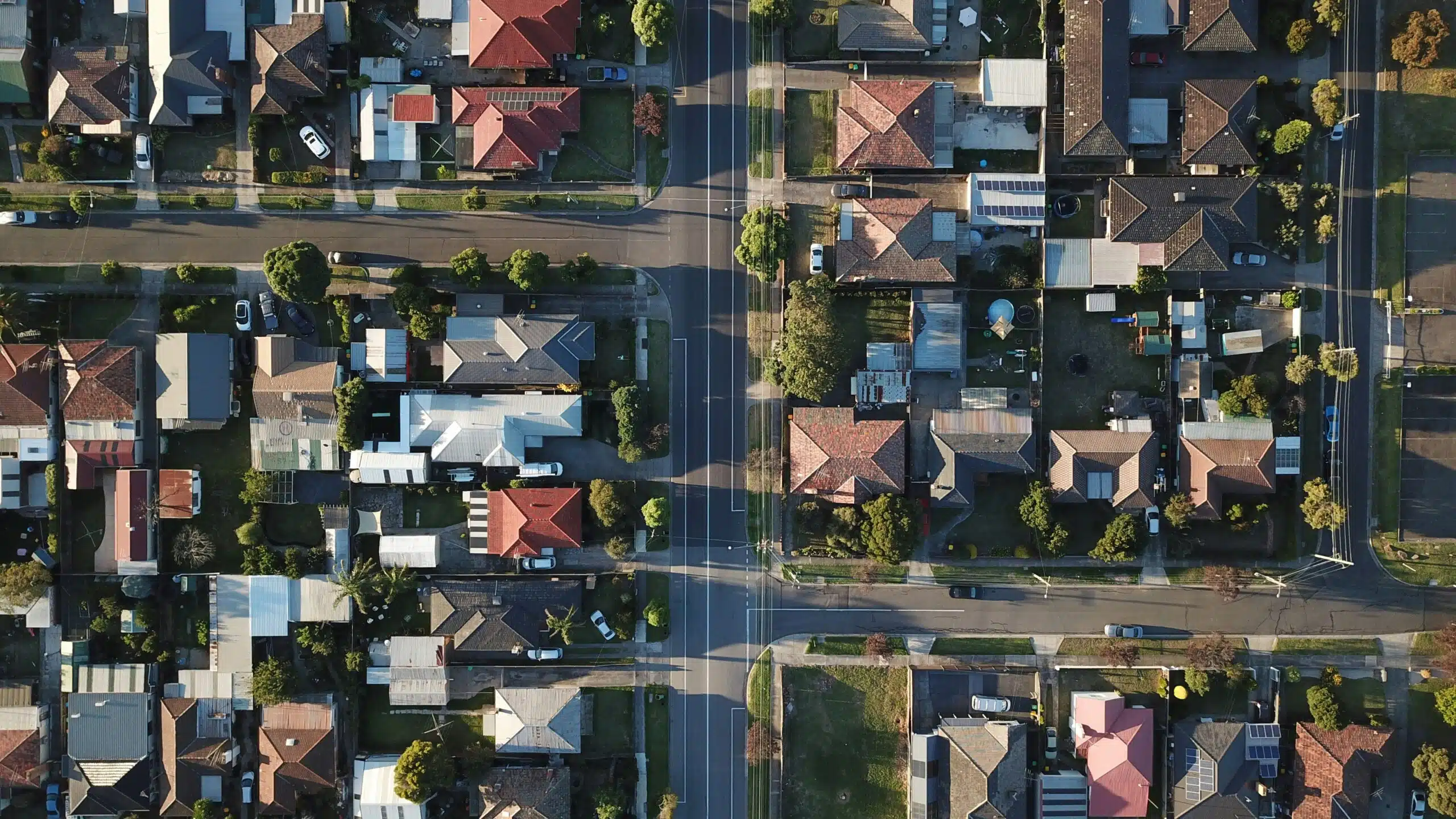
What Is a Canadian Mortgage?
At its core, a mortgage is a loan provided by a lender—most commonly a bank, credit union, or mortgage finance company—that enables you to purchase real estate. In Canada, mortgages are secured by the property itself. This means that if you are unable to make your agreed-upon payments, the lender has the right to take possession of your home through a process known as foreclosure. This risk underscores the importance of understanding your mortgage terms and taking steps to ensure your financial readiness.
For most Canadians, securing a mortgage is essential for homeownership, as few are able to pay for a house outright with cash. Mortgages are typically repaid over long periods—commonly 25 or 30 years—with regular monthly payments that include both principal (the amount borrowed) and interest (the lender’s fee for borrowing their money).
Types of Mortgages Available in Canada
The Canadian mortgage market offers several types of mortgage products, each tailored to different financial situations and needs. Understanding these options is crucial to choosing the best mortgage for your circumstances and long-term goals.
- Fixed-Rate Mortgage: With a fixed-rate mortgage, your interest rate—and therefore your monthly payment—remains the same throughout the term of the mortgage. This predictability makes budgeting easier and can provide peace of mind, especially in a fluctuating economy.
- Variable-Rate Mortgage: A variable-rate mortgage has an interest rate that can change, typically in relation to the prime rate set by your lender. While variable rates are often lower to start, they carry the risk of increasing if market rates rise, which can make payments less predictable.
- Open Mortgage: An open mortgage allows you to pay off the entire mortgage, or make extra payments, at any time without penalty. Open mortgages offer flexibility but usually come with higher interest rates than closed mortgages.
- Closed Mortgage: A closed mortgage typically has a lower interest rate but restricts how much you can pay off each year without incurring penalties. This is the most common type of mortgage in Canada, suitable for buyers who don’t plan to make large lump-sum payments.
Choosing between these options depends on your financial stability, risk tolerance, and plans for the future. Consulting a Canadian mortgage specialist or broker can help you identify the right mortgage product for your needs and goals.
Key Factors Lenders Consider When Qualifying You for a Canadian Mortgage
Before a lender approves your application for a Canadian mortgage, they will assess several key factors to determine your eligibility and the amount you can borrow. Understanding these criteria and preparing accordingly can improve your chances of qualifying for a favorable mortgage.
- Credit Score: Your credit score is a critical indicator of your reliability as a borrower. In Canada, scores above 680 are considered good, and higher scores can help you qualify for better interest rates. Lenders review your credit history to assess how well you’ve managed credit in the past.
- Income and Employment Stability: Lenders want to see that you have a steady source of income and a secure employment history, usually requiring at least two years in your current job or field. Consistent income reassures lenders that you can meet your mortgage obligations.
- Debt-to-Income Ratio: This ratio measures your total monthly debt payments compared to your gross monthly income. Most Canadian lenders look for a debt-to-income ratio below 39% for housing costs and 44% for total debt obligations. Keeping your debt levels manageable is crucial for approval.
- Down Payment: The minimum down payment required depends on the purchase price of the home. For homes under $500,000, you must put down at least 5%. For homes between $500,000 and $999,999, you’ll need 5% on the first $500,000 and 10% on the remaining amount. Homes costing $1.5 million or more require a 20% down payment.
- Mortgage Stress Test: All buyers must pass the Canadian mortgage stress test, which ensures you can handle payments if interest rates rise. You’ll need to qualify at the greater of your contract rate plus 2%, or the Bank of Canada’s benchmark rate.
By preparing your finances and understanding these requirements, you can strengthen your mortgage application and increase your chances of approval.
Step-by-Step Process: How to Qualify and Secure Your First Canadian Mortgage
Securing a Canadian mortgage involves several stages, from assessing your financial readiness to closing the deal on your new home. Here is a detailed, step-by-step guide to help you navigate the process:
1. Assess Your Financial Readiness
Begin by reviewing your credit report and score, calculating your debt-to-income ratio, and setting a realistic budget. Consider using online Canadian mortgage calculators to estimate how much house you can afford and what your monthly payments might look like. This initial step helps you understand your financial standing and identifies any areas for improvement before you approach lenders.
2. Save for a Down Payment
The size of your down payment will impact your monthly payments and the total interest paid over the life of your loan. In Canada, if your down payment is less than 20%, you must purchase mortgage loan insurance through the Canada Mortgage and Housing Corporation (CMHC) or a similar provider. This insurance protects the lender but adds to your monthly costs, so saving as much as possible for your down payment is advantageous.
3. Get Pre-Approved for a Canadian Mortgage
Pre-approval involves submitting your financial details to a lender, who will then assess your creditworthiness and determine the amount they’re willing to lend you. This process gives you a clear idea of your price range and strengthens your position when making an offer on a home. Pre-approval also demonstrates to sellers that you are a serious buyer with secure financing.
4. Shop for Your Home
With pre-approval in hand, you can confidently search for properties within your budget. Partnering with a real estate agent who understands the Canadian market can be invaluable—they’ll guide you through home tours, negotiations, and the offer process.
5. Submit Your Mortgage Application
Once you’ve found your dream home and made an offer, you’ll submit a full mortgage application, including supporting documents such as proof of income, employment verification, and details about your assets and liabilities. The lender will also order an appraisal to confirm the property’s value.
6. Close the Deal
After your loan is approved, you’ll review and sign the final documents. Closing costs in Canada typically include legal fees, land transfer taxes, and other disbursements. Once everything is finalized, you’ll receive the keys to your new home and officially become a homeowner!
Tips to Improve Your Canadian Mortgage Approval Chances
- Pay Down Debt: Reducing your existing debt can improve your debt-to-income ratio and boost your credit score, both of which are favorable to lenders.
- Avoid Major Purchases: Hold off on buying a car or taking out new loans before applying for your mortgage, as these actions can negatively impact your eligibility.
- Save for Closing Costs: In addition to your down payment, plan for closing costs, which generally range from 1.5% to 4% of the home’s purchase price. Having funds set aside will streamline the closing process.
- Gather Documentation: Prepare all necessary documents in advance, including proof of income, tax returns, bank statements, and identification. This helps ensure a smoother and faster application process.
- Consult a Mortgage Broker: A licensed Canadian mortgage broker can help you compare rates and mortgage products, ensuring you find the best deal for your situation.
Understanding Mortgage Insurance in Canada
In Canada, mortgage loan insurance is required if your down payment is less than 20% of the home’s purchase price. This insurance, provided by organizations such as CMHC, Sagen, or Canada Guaranty, protects the lender in case you default on your loan. The cost of mortgage insurance is added to your mortgage and paid off over the life of your loan.
While mortgage insurance does increase your monthly payments slightly, it allows more Canadians to become homeowners with a lower initial down payment. Be sure to factor this cost into your budgeting and understand how it will affect your overall mortgage expenses.
Common First-Time Homebuyer Programs in Canada
To support first-time homebuyers, the Canadian government offers several programs and incentives designed to make homeownership more accessible. Researching and applying for these programs can help you save money and reduce the financial burden of buying your first home.
- First-Time Home Buyer Incentive: This shared-equity program helps reduce your monthly mortgage payments without adding to your financial burden. The government offers 5% or 10% of the home’s purchase price to put toward your down payment, which is repaid when you sell the home or after 25 years.
- Home Buyers’ Plan (HBP): The HBP allows you to withdraw up to $35,000 from your Registered Retirement Savings Plan (RRSP) to put toward your down payment, tax-free. You are required to repay the amount within 15 years.
- GST/HST New Housing Rebate: This rebate offers a partial refund of the GST or HST paid on a new or substantially renovated home, helping to offset some of the taxes associated with your purchase.
Eligibility requirements for these programs can vary, so be sure to research them thoroughly and consult with a mortgage professional or financial advisor to maximize your savings and benefits as a first-time homebuyer.
The Importance of Working with Canadian Mortgage Specialists
Navigating the Canadian mortgage process can be complex—especially for first-time buyers. Working with a mortgage specialist or broker offers several advantages. These professionals understand the nuances of the market, can offer tailored advice, and have access to a wide range of mortgage products from various lenders. They can help you compare rates, negotiate terms, and ultimately secure a mortgage that fits your budget and long-term goals.
In addition to guiding you through the paperwork and regulatory requirements, a mortgage specialist can help identify opportunities for savings, explain the implications of different mortgage types, and ensure you’re fully informed at every step. Their expertise is invaluable, particularly in a competitive housing market where having an edge can make all the difference.
Canadian Mortgage Trends and Insights
The Canadian mortgage market is continually evolving. Interest rates fluctuate in response to economic conditions, government policies change, and new mortgage products are introduced regularly. Staying informed about these trends is crucial for making sound financial decisions.
In recent years, Canadian mortgage rates have remained relatively low, making homeownership more accessible to a wider range of buyers. However, as the market responds to inflation and other economic factors, rates can shift. Monitoring the Bank of Canada’s policy decisions and consulting with mortgage professionals can help you anticipate changes and adapt your strategy accordingly.
Another trend is the increasing use of online mortgage calculators and digital tools, which empower buyers to research and compare options independently. While these tools are helpful, they should complement—not replace—professional advice. A mortgage broker’s personalized guidance ensures you don’t overlook important details or miss out on special programs and incentives.
Preparing for Homeownership: Beyond the Mortgage
Securing a Canadian mortgage is just one part of the homeownership journey. Before you purchase a home, consider other factors such as property taxes, maintenance costs, utilities, and potential renovations. These expenses can add up quickly, so creating a comprehensive budget that accounts for all aspects of ownership is essential.
It’s also wise to set aside an emergency fund for unexpected repairs or financial setbacks. Homeownership offers stability, but it also comes with responsibilities and risks that renters may not face. Being prepared ensures you can enjoy your new home without undue stress.
Frequently Asked Questions About Canadian Mortgages
- How much can I afford to borrow? This depends on your income, debt levels, and down payment. Use a Canadian mortgage calculator and consult with a broker to determine a realistic borrowing limit.
- What is the difference between a pre-approval and final approval? Pre-approval gives you an estimate of how much a lender is willing to offer based on preliminary information. Final approval occurs after you submit a full application and the lender verifies all details, including an appraisal of the property.
- Can I buy a home with less than a 20% down payment? Yes, but you’ll need to purchase mortgage loan insurance, which adds to your monthly costs.
- What are closing costs? Closing costs include legal fees, land transfer taxes, appraisal fees, and other disbursements. In Canada, these typically range from 1.5% to 4% of the home’s purchase price.
- What is a mortgage stress test? The stress test ensures you can afford your mortgage payments if interest rates rise in the future. You must qualify at the greater of your contract rate plus 2% or the Bank of Canada’s benchmark rate.
Conclusion: Take the First Step Toward Your Canadian Mortgage
Securing your first Canadian mortgage doesn’t have to be an intimidating process. By understanding the basics, preparing your finances, and leveraging the resources available to you, you can confidently take the first step toward homeownership. Remember, every journey begins with a single step—so start planning today and turn your dream of owning a home in Canada into a reality.
For more information on the Canadian mortgage process or to connect with a mortgage expert, reach out to a trusted lender or licensed mortgage broker in your area. Your first home is within reach, and with the right preparation and knowledge, you’ll be ready to make the most of this exciting new chapter.
Additional Resources and Support
There are many resources available to support first-time homebuyers in Canada. Consider exploring the following:
- The Canada Mortgage and Housing Corporation (CMHC) website for information on mortgage insurance and homebuying guides.
- Government programs for first-time buyers, including incentives and rebates.
- Online mortgage calculators to estimate payments and affordability.
- Local real estate agents and mortgage brokers who offer personalized advice and support.
By making informed decisions and seeking expert guidance, you can successfully navigate the Canadian mortgage market and achieve your dream of homeownership. The process may seem complex, but with preparation and the right support, you’ll be well-equipped to make your first home purchase a rewarding and positive experience.
References:
https://www.canada.ca/en/financial-consumer-agency/services/buying-home.html
https://www.cmhc-schl.gc.ca/consumers/home-buying/buying-guides